
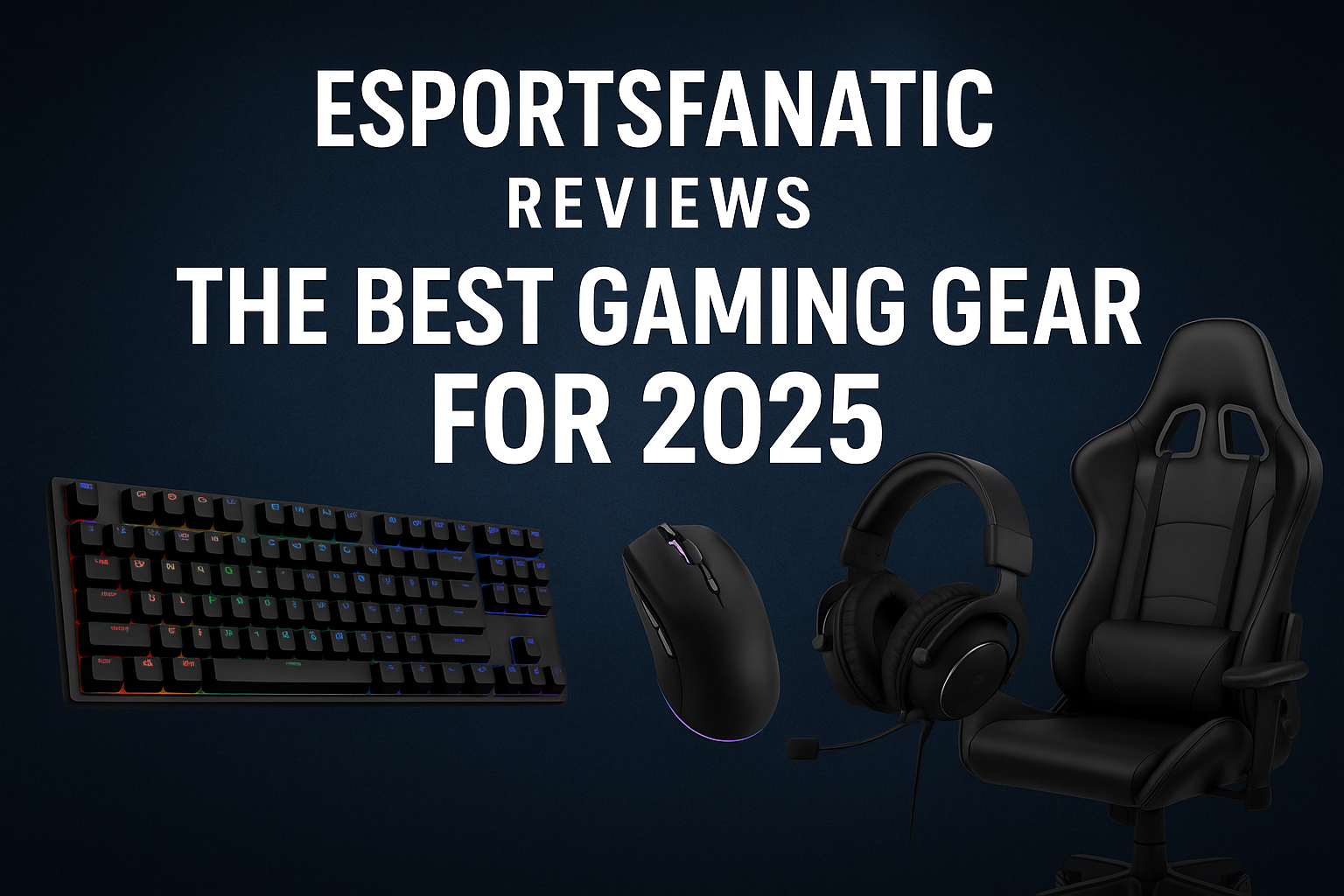
The gaming industry has traveled an extraordinary journey in its quest to provide immersive and transformative entertainment experiences. From modest arcade cabinets in smoky halls to intricate virtual landscapes rendered on powerful home PCs, gaming has always been about more than just play. Central to this transformation has been the growth and expansion of gaming gear—the tools and technologies that provide the tactile bridge between player and virtual world in esports
Over decades, these tools have evolved drastically in design, functionality, and accessibility. They now not only enhance performance but also shape a gamer’s identity. To understand where we stand today and where we are headed, it is worth exploring how gaming hardware has navigated change, adapting to trends in innovation, cost-effectiveness, and the pursuit of immersive gaming experience.
Early Days of Gaming Equipment
In the 1970s and 1980s, gaming was shaped by arcade cabinets and simple joystick consoles. The term “gaming gear” was limited to controllers and bulky plastic peripherals with rudimentary buttons. Early consoles like the Atari 2600 or Nintendo Entertainment System (NES) emphasized simplicity rather than sophistication, relying heavily on imaginative play rather than technological finesse.
For gamers of that era, functionality mattered more than customization. There were no ergonomic designs or specialized accessories, only the essentials: a few buttons and directional input. Yet, beneath this simplicity, the foundation was laid for a future where tools of play would become as significant as the games themselves.
The Rise of Quality Standards
The late 1990s and early 2000s brought a revolution in quality of gaming peripherals. Controllers suddenly became more refined, keyboards and mice were engineered with precision sensitivity for PC players, and companies began to understand that gear must offer more than mere usability—it must feel intuitive, responsive, and durable.
For instance, Sony’s DualShock controllers for the PlayStation introduced vibration feedback, bridges between tactile sensation and virtual action that deepened players’ emotional involvement. Similarly, Microsoft’s Xbox controllers became iconic for their ergonomic grip. On the PC side, Logitech and Razer began pushing keyboards and mice engineered for accuracy, speed, and endurance.
This emphasis on quality raised the expectations of gamers everywhere. Tools were no longer extensions of the console; they became essential enhancers of the overall experience, ensuring smooth gameplay and comfortable engagement in even the longest sessions.
Innovation Driving New Horizons
As competition in hardware markets intensified, innovation became the defining factor distinguishing brands. By the mid-2000s, gaming accessories began to adopt more experimental designs and features. Motion sensors, pressure-sensitive triggers, and gyroscopic functionality brought us closer to realistic immersion. Nintendo set the bar high with the Wii—a console that bridged physical motion with digital input, changing living rooms into playgrounds.
Meanwhile, the rise of virtual reality headsets like Oculus Rift, HTC Vive, and later PlayStation VR expanded the very definition of what gaming gear could be. These devices didn’t just enhance gameplay; they redefined the experience entirely, placing the player within the narrative universe rather than outside it. Similarly, innovations like adaptive triggers in controllers, customizable lighting in keyboards, and immersive surround sound headsets have dramatically broadened what gear can offer.
Today, the line between technology, gaming, and lifestyle blurs. Many modern peripherals double as productivity or content-creation tools, making them integral not only for gaming but for digital life at large.
Accessibility and Budget Friendly Gaming Gear
While high-tech gear often grabs headlines, accessibility is an equally vital part of the conversation. High-end devices are coveted, but they’re often prohibitively expensive for many players, leading to a strong demand for budget friendly alternatives.
Fortunately, manufacturers recognize this demand and have created entry-level versions of premium products. Affordable gaming headsets, budget mechanical keyboards, and mid-range graphics cards still deliver remarkable performance without compromising too much on durability or comfort. Additionally, thanks to rising competition within the market, players now have more options than ever before.
Equally significant is the growth of modular designs that allow gamers to upgrade components gradually. This provides flexibility for those who want higher performance without the financial burden of replacing entire setups. As a result, gaming gear has become more democratic—something accessible to both casual players and serious competitors alike.
The Impact on Gaming Experience
When we talk about gaming, equipment is inseparable from experience. Whether it’s the tactile feel of pressing a key in the middle of a tense battle, the rumble of a controller in a cinematic cutscene, or the 3D audio enveloping a player’s ears, gear defines the sensory dimension of digital play. This direct correlation has made the gaming experience highly dependent on the tools players use.
Professional esports athletes demonstrate this perfectly. Their talent is undeniable, but their competitive success relies equally on the responsiveness and precision of their peripherals. A millisecond delay in reaction time might mean the difference between victory and defeat. Gear functions as a trusted ally in such high-stakes moments.
Yet, even outside of competitive play, immersion matters. A gamer exploring open worlds in role-playing games or connecting with friends across cooperative shooters benefits from every sound, vibration, and motion captured and conveyed by their equipment. Gaming gear ensures players are not just observers of an interactive medium but actual participants of digital universes.
The Social Identity of Gear
Another fascinating development in the evolution of equipment is its role as a social identifier. Much like fashion, gear has become a way for gamers to express personal identity and community belonging. RGB lighting systems on PCs, customizable controller shells, or even themed peripherals tied to specific franchises show how hardware embodies fandom and individuality.
Streamers and content creators elevate this cultural shift even further. Their setups often showcase elaborate gear collections, inspiring fans to replicate similar designs. What was once simply “stuff needed to play video games” has become a cultural ecosystem where gamers define themselves by their setups.
Consequently, gear manufacturers no longer cater solely to functionality. They also design for style, personalization, and consumer expression, recognising that players want their setups to be reflections of who they are.
Balancing Innovation with Quality
The challenge facing manufacturers today is how to maintain the balance between cutting-edge features and reliability. On one hand, gamers crave experimentation—new ways of interacting, new sensory dimensions, and futuristic controllers or headsets. On the other, they need durability, comfort, and seamless compatibility.
This tension between novelty and trustworthiness defines modern hardware expectations. A headset with surround sound may stun with its audio design, but if the durability of its wiring falters, its impact diminishes. Similarly, a keyboard with dazzling lights and fast response times must also withstand years of intense use.
Leading companies focus on this balance. Razer, Corsair, Logitech, and SteelSeries have built reputations by delivering gear that blends experimental technologies with long-lasting durability. It is this fine balance—innovation alongside quality—that shapes modern design choices in gaming.
Looking Ahead: The Future of Gaming Gear
If history has proven anything, it’s that gaming equipment will continue to evolve as fast as gamer expectations. The coming years will likely see breakthroughs in haptics—gear capable of simulating textures, temperatures, or more intricate vibrations. Imagine gloves that let you “feel” your virtual sword or shoes that bring physical sensation to in-game movement.
Equally exciting are advancements in accessibility features. As inclusivity becomes a greater priority, adaptive controllers designed for differently-abled players will make gaming even more welcoming and universal. Major companies like Microsoft’s Xbox Adaptive Controller are leading examples of the promise that accessible, versatile gear holds for the future.
Another key frontier will involve integration with artificial intelligence. Smart keyboards and mice capable of auto-adjusting sensitivity to a player’s habits or controllers that adapt difficulty dynamically represent only a small window of coming change. This combination of intelligence and immersion will transform gear from static tools into active collaborators in gaming itself.
Conclusion: The Enduring Significance of Gaming Gear
The journey of gaming equipment—from blocky joysticks of the past to sleek, customizable, sensor-driven devices of today—reflects the broader trajectory of gaming as a cultural phenomenon. Throughout every stage of this evolution, gaming gear has been the foundation for progress, bridging the digital and human worlds.
Whether it is budget friendly accessibility for casual players or cutting-edge technological innovation for hardcore enthusiasts, gear defines how we enter, inhabit, and enjoy virtual worlds. The commitment to quality, meanwhile, ensures that this bridge remains dependable. Together, these elements sculpt not only our gaming experience but also the cultural identity of gaming itself.
As the past has shown and the future confirms, gaming gear is not just about utility. It is about immersion, community, and the endless pursuit of better ways to play.